What caused it?
Tell us whether it was food, drink, marker, paint, a pet accident or something unknown.
Careful treatment for suitable food, drink, marker, pencil and everyday spots—based on the stain, material and condition of the piece.
A dark drink ring, oily food mark, ink line and bleached patch may look similar from across the room, but they do not respond to the same treatment. Fabric type, stain age, heat, rubbing and previous household products can all change the outcome.
We identify what we can from your description and photos, then inspect the material before treatment. Our priority is improving the stain without causing unnecessary colour loss, texture change or spreading.
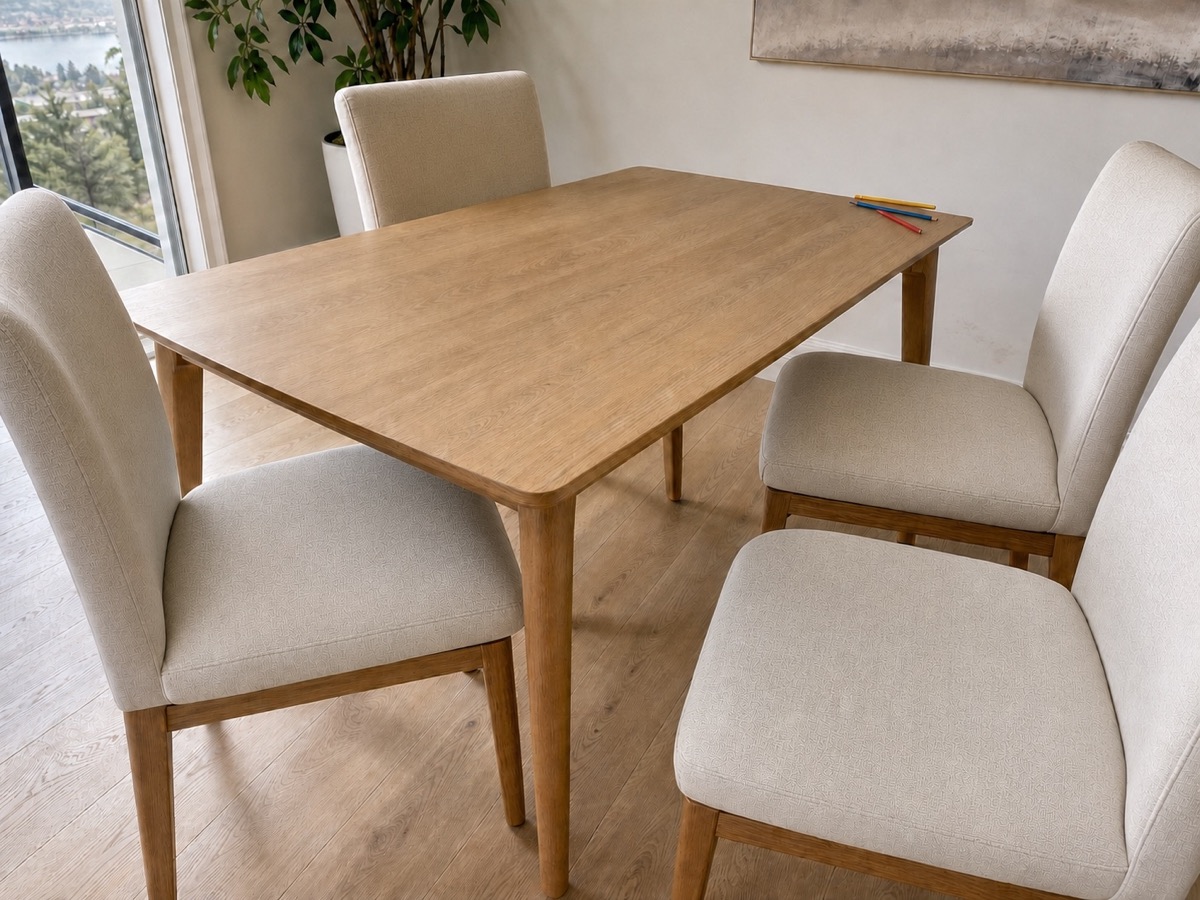
Tell us whether it was food, drink, marker, paint, a pet accident or something unknown.
A recent spill can behave differently from an old mark that has dried, oxidized or been heated.
Share the names of household cleaners, soaps or stain products already applied to the area.
Blot gently with a clean absorbent cloth. Avoid scrubbing, heat and mixing products. Contact us with a photo before adding more chemistry.
Some visible changes are permanent dye loss or material damage rather than removable soil.
See restoration examplesNo. Some stains permanently change the dye or fibre, and some previous treatments set or spread the mark. We assess the likely result before proceeding.
It depends on the item and location. Treating only one spot can leave a visible contrast on generally soiled fabric, so a whole-piece clean may be the better option. Minimum service charges may apply.
The stain type, size, material, access, previous products and number of treatment steps affect the price. We confirm the estimate before work begins.
Tell us what caused the stain, when it happened and what has already been tried.